The world of nutrition is a marketplace of noise: new diets, miracle foods, contradictory studies, and an endless parade of trends, each promising to be the answer. It is genuinely confusing, and the confusion is profitable for those selling the next fad. But beneath all the noise, the actual truths about eating well are old, simple, and almost universally agreed upon. They are just not exciting enough to sell.
If you want to eat in a way that supports a long and healthy life, you do not need the latest trend. You need to return to a handful of unglamorous principles that have been true all along.
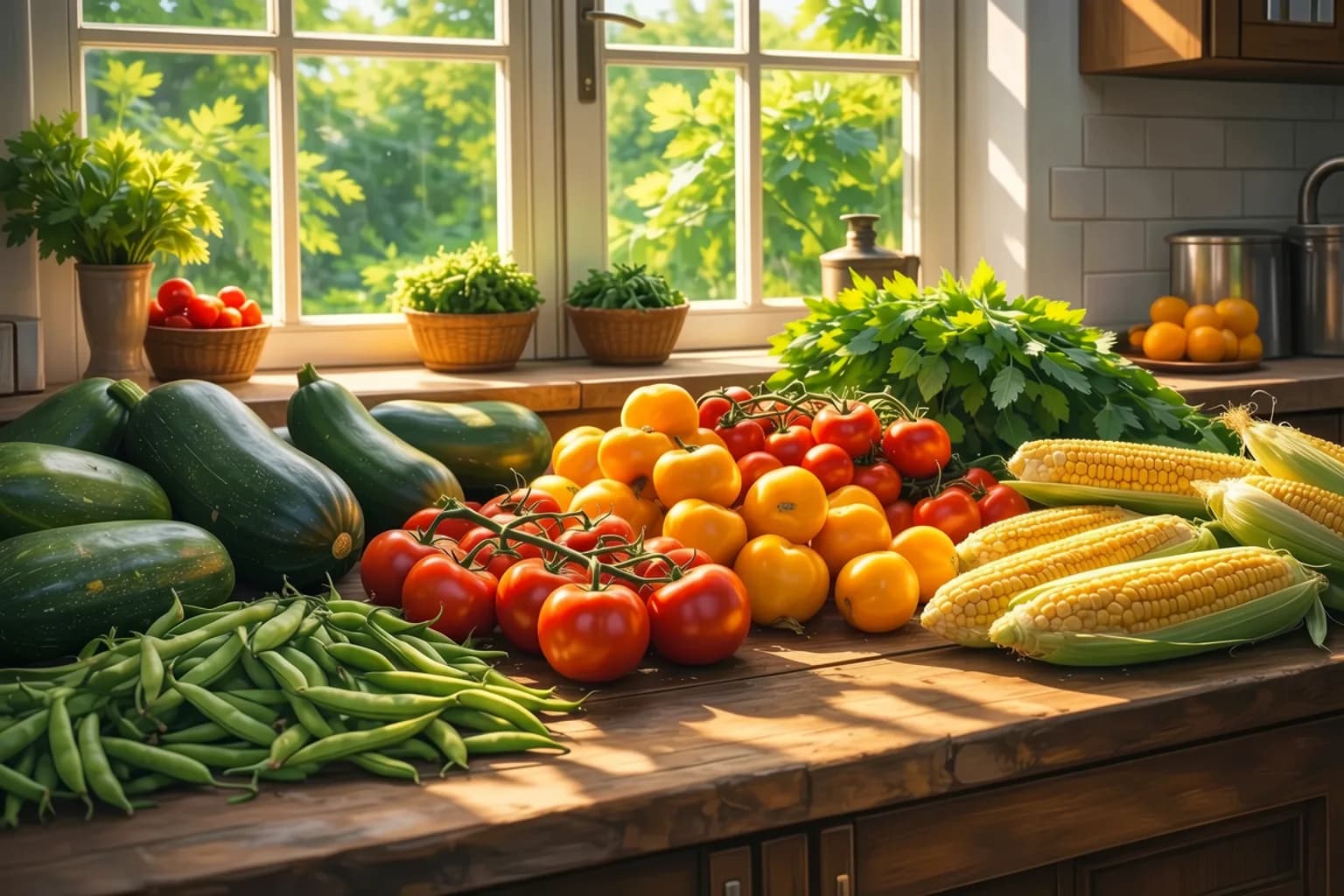
My abuela cooked from her garden and the Friday market her entire life: beans, squash, corn, herbs cut the same hour they were eaten. She lived to ninety-four and never once read an ingredient label, because nothing she ate had one. I think of her every time a new diet book promises to rediscover what her kitchen never forgot.
Why the Truth Does Not Sell
The reason nutrition feels so confusing is that the simple truths cannot be monetised. "Eat mostly plants, not too much, and avoid processed food" does not sell books, supplements, or programs. So the industry manufactures complexity, novelty, and controversy, because confusion creates customers. Each year's new diet exists largely because last year's was not profitable enough to sustain.
The genuine wisdom about food fits on an index card. Everything beyond that is mostly noise designed to sell you something.
Once you understand this, the noise becomes easier to ignore, and the simple truths become easier to follow.
The Unglamorous Principles
Strip away the trends, and the durable wisdom about eating well is remarkably consistent across cultures and across the genuinely reliable research:
- Eat mostly whole foods. Things that look roughly like what they were in nature, not things manufactured in a factory.
- Eat mostly plants. Vegetables, fruits, legumes, whole grains, the foundation of nearly every long-lived population's diet.
- Do not eat too much. Quantity matters as much as quality. The longest-lived peoples tend to eat until satisfied, not stuffed.
- Minimise the heavily processed. The modern foods engineered to be irresistible are the ones doing the most harm.
- Make it sustainable. The best way of eating is one you can maintain for life, not an extreme regime you abandon in a month.
None of this is novel. All of it works.
Eating as Self-Respect
There is a deeper way to think about food, beyond the mechanics of nutrition. How you eat is, in part, an expression of how you regard yourself and your one body. To habitually feed yourself things you know are harming you, in quantities you know are excessive, is a small daily act of self-disregard. To feed yourself well is a small daily act of self-respect.
This framing is more powerful than any diet rule, because it connects eating to character rather than to deprivation. You are not following a diet; you are caring for the only body you will ever have, the vessel that carries you through your entire life.
The Long View
Eating well is not about a dramatic transformation or a perfect record. It is about the accumulation of ordinary choices over years and decades. The occasional indulgence harms nothing; it is the daily pattern that shapes your health and your lifespan. Get the pattern roughly right, most of the time, and you will have done the vast majority of what food can do for a long life.
Ignore the noise. The trends will keep coming, each louder than the last, each soon forgotten. The simple truths will remain, as they always have. Eat mostly whole plants, not too much, avoid the heavily processed, and make it a sustainable pattern rather than a punishing regime. Do that, and you are eating like someone who intends to be around, and well, for a long time.