
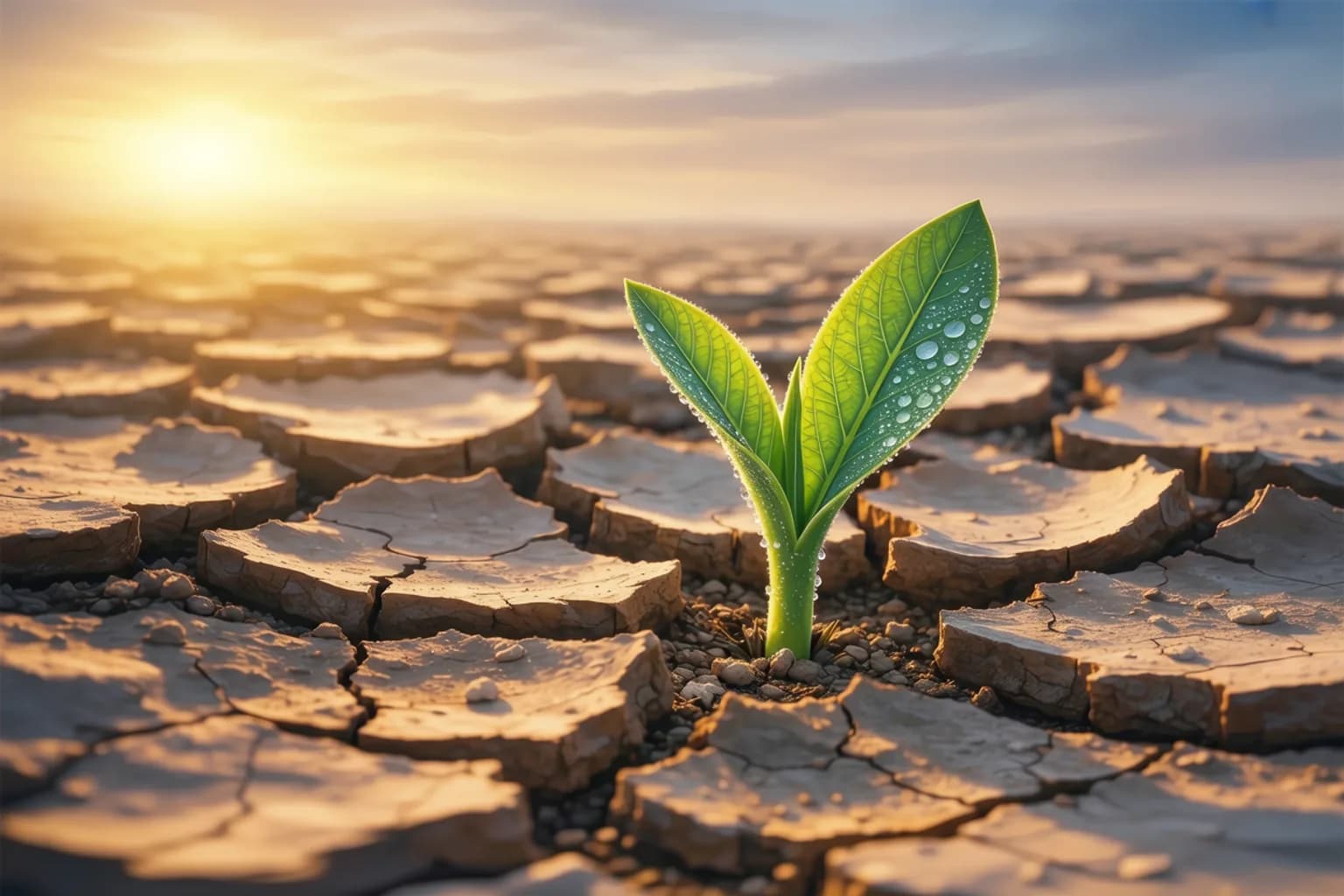
Ordinary hope depends on the evidence. Things look promising, so you feel hopeful. This kind is pleasant but fragile, because the moment the evidence turns, it collapses. It is really just optimism about visible facts, and visible facts are not always kind.
There is another kind of hope, deeper and harder won, that does not depend on the circumstances at all. It persists in the dark, when nothing looks promising and there is no reasonable case for optimism. This is the hope that actually carries people through the worst of life, and the surprising thing is that it can be built.
In the year after my burnout, when I had resigned with no plan and the visible evidence said I had wrecked a good career, an old friend called me every Sunday. He never offered reasons for optimism. He only said, each week, that this was a chapter and not the book. I could not have proven him right at the time. Living as if he might be was what carried me to the morning when he finally was.
Why Circumstantial Hope Fails
Hope based on good circumstances is hostage to those circumstances. When the diagnosis is bad, the relationship ends, the plan collapses, this kind of hope has nothing to stand on and simply disappears, leaving despair in its place.
The people who endure the truly hard passages of life, the long illness, the deep loss, the season where everything goes wrong at once, cannot rely on this fragile hope, because their circumstances offer it no fuel. They survive on something else.
What Deeper Hope Rests On
Hope that does not depend on circumstances rests on a few quiet convictions, held not because they are proven but because they are chosen:
- That the present darkness is not the whole story, even when it fills the entire view.
- That you have survived hard things before, and the self that survived them is still here.
- That meaning can be found even inside suffering, which means suffering is never purely empty.
- That change is the one constant, so no condition, however bleak, is permanent.
Despair assumes the present moment is the final word. Hope simply refuses to believe the story is over.
None of these can be proven in the dark. They are a stance you take toward life, a refusal to accept that the worst moment is the last one. And that refusal, held steadily, changes everything about how a hard season is endured.
Hope Is Not Denial
This deeper hope is not the same as pretending things are fine. It does not require lying to yourself about a grim situation. You can see your circumstances with complete clarity, acknowledge that they are genuinely bad, and still refuse to conclude that they are the end. Clear eyes and hope are not opposites. The strongest hope is the one that looks reality full in the face and still does not surrender.
How to Build It
Like every inner strength, this hope is built in practice, not theory. Some of what builds it:
- Remembering past darkness you came through, especially the times you were sure you would not.
- Surrounding yourself, when you can, with people who hold hope steadily, it is contagious.
- Acting, in small ways, as if the future is still open, because action and hope reinforce each other.
- Looking, even faintly, for meaning inside the hardship rather than only for escape from it.
The Quiet Power of It
The person who has built this kind of hope is nearly unbreakable, not because nothing bad happens to them, but because no bad thing can convince them that the story is finished. They keep going when the optimists have quit, because their hope was never resting on the weather in the first place.
If you are in the dark now, with no visible reason for hope, that is precisely the moment this deeper hope is for. You do not need the evidence. You need only refuse to believe that this is the end, and keep taking the next small step. The reasons for hope often appear only after you have already chosen it.


