A paradox sits at the heart of freedom. We assume that the more we accumulate, the freer we become, free to do what we want, go where we please, live as we like. But beyond a certain point, the opposite happens. The more we have, the more we must protect, defend, and worry about, and the less free we actually are. The truly free person, it turns out, is often the one with the least to lose, the one whose freedom comes not from having everything but from being unafraid of losing anything.
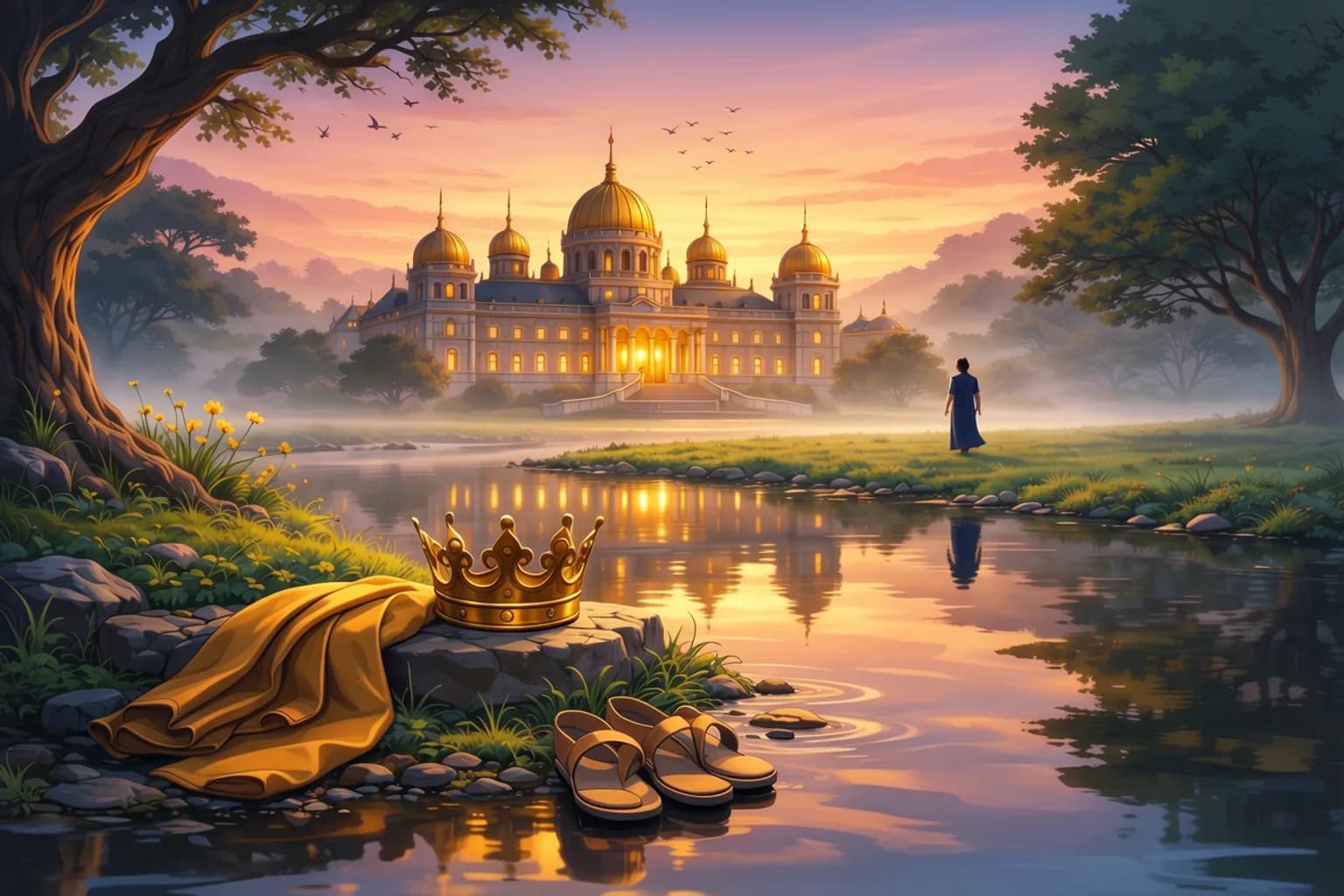
This is the strange wisdom captured in the image of the king who has nothing to lose: a person so unattached that no threat can touch them, and therefore freer than any actual king.
The freest person I know is my auntie Funke in Lagos, who runs a small fabric stall and owes nothing to anybody. I once watched a big man try to pressure her over a debt she did not have. She laughed at him, actually laughed, and went back to folding ankara. Half my old trading floor could be moved by one phone call from the right person. Nobody moves Funke.
The Burden of Having Much
The person with a great deal lives under a particular kind of weight. Their possessions must be guarded. Their status must be maintained. Their security must be defended. Every acquisition becomes a hostage to fortune, something that can be taken, lost, or threatened, and so something that must be anxiously protected. The wealthy and powerful are often the least free people of all, precisely because they have so much to lose and so much fear of losing it.
The person who is afraid to lose what they have can always be controlled by the threat of taking it away.
This is also why those with much to lose can be so easily manipulated. Threaten their wealth, their status, their security, and they will compromise, bend, and betray to protect it. The person with much is, in this sense, owned by what they own.
The Freedom of the Unattached
Now consider the opposite: the person who has made peace with loss, who holds everything lightly, who is genuinely unafraid of losing what they have. This person cannot be controlled by threats, because there is nothing they are desperate to protect. They cannot be corrupted by the fear of loss, because they have already accepted loss as part of life. They are, in the deepest sense, free.
This is the king who has nothing to lose, not necessarily a person with no possessions, but a person with no desperate attachment to them. They may have much or little; what matters is that their freedom does not depend on keeping it. They can act from principle rather than fear, because the fear of loss has lost its grip.
Cultivating This Freedom
You do not need to give away everything to gain this freedom. It is an inner posture, available regardless of how much you have:
- Make peace with loss in advance. Accept that everything you have can be lost, and that you would survive it. The accepted loss loses its power to control you.
- Hold possessions lightly. Enjoy what you have without staking your identity or security on keeping it.
- Notice where fear of loss controls you. Wherever you find yourself compromising to protect something, you have found where you are not yet free.
- Value freedom over accumulation. Recognise that beyond a point, more to protect means less freedom, and choose accordingly.
The Inner King
The deepest freedom is not the freedom that comes from having enough to do whatever you want. It is the freedom that comes from wanting little enough, and holding it loosely enough, that nothing can be used against you. This is a freedom no amount of wealth can buy and no amount of loss can take away, because it lives entirely in your relationship to having, not in what you have.
Become, inwardly, the king who has nothing to lose: not destitute, but unattached; not without possessions, but without the desperate fear of losing them. From that place, you can live by your principles, unmoved by threats, uncorrupted by the fear of loss, freer than any ruler clinging to a throne. The one who has nothing to lose has, paradoxically, gained the one thing that actually matters, which is freedom itself.
The rest is for seekers
Keep reading free. Log in and every article on Reality Awake opens for you.