Of all the tools a human being possesses, none is more powerful than speech, and none is used more carelessly. With words, you can lift a person up or tear them down, build trust or destroy it, heal a wound or inflict one that lasts a lifetime. The same tongue can speak a sentence that someone treasures for decades, or one that wounds them just as long. And yet most of us scatter our words thoughtlessly, never reckoning with the enormous power we wield every time we open our mouths.
To understand the value of your tongue, and to use it with care, is one of the marks of a wise and decent person.
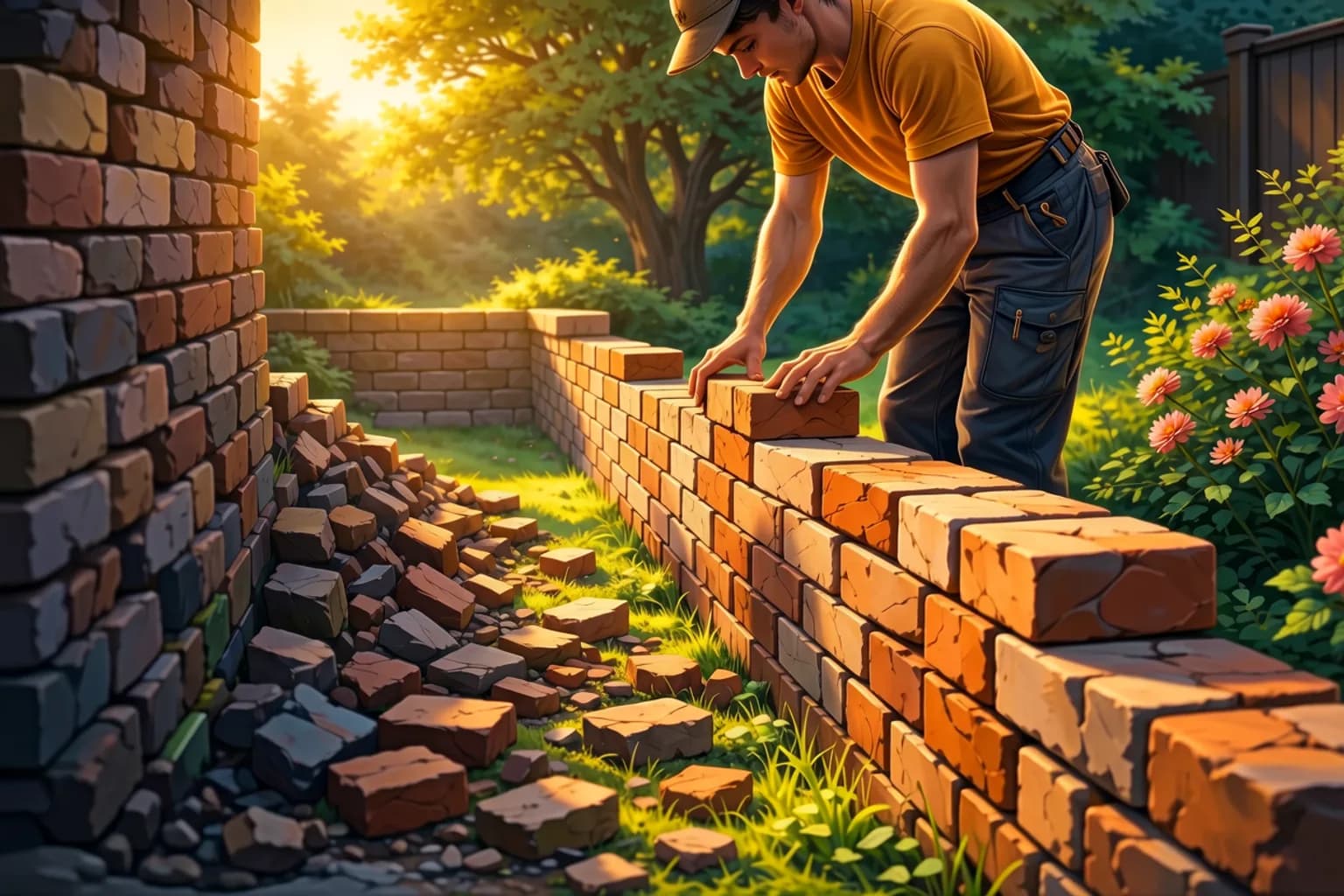
A teacher told me at fourteen, in front of the class, that I would amount to nothing much. Forty years on, I can still hear the room laugh. That same year, my grandfather told me I had a builder's patience, and I have carried his sentence like a coin in my pocket through every hard season since. Two sentences, ten seconds each. Choose yours as if they will be carried for forty years, because they will be.
The Strange Power of Words
Words seem insubstantial, just air and sound, here and gone. But their effects are anything but insubstantial. A cruel word spoken in a moment of anger can lodge in a person's heart for years, replaying, shaping how they see themselves. A word of encouragement at the right moment can change the course of a life. We have all carried both kinds: the casual cruelty we have never forgotten, and the kind word that sustained us when we needed it.
A word costs nothing to speak and can cost everything to receive. The cheapness of saying it hides the weight of its landing.
This is the paradox of the tongue: words are free and effortless to produce, yet their impact can be immense and lasting. The mismatch between how easily we speak and how heavily our words land is exactly why we must speak with care.
Words That Build
Speech used well is one of the greatest gifts you can give. Words of genuine encouragement, of appreciation, of comfort, of honest praise, can strengthen a person in ways that last. To tell someone you believe in them, to acknowledge their effort, to speak comfort into their grief, to name the good you see in them, these cost you nothing and can mean everything to the one who receives them.
The person who learns to use their tongue to build, who looks for opportunities to encourage rather than criticise, to praise rather than tear down, becomes a source of strength to everyone around them. Their words are valued because they are used well.
Words That Break
The same tongue, used carelessly or cruelly, breaks what it touches. Harsh criticism, contempt, mockery, the cutting remark made for the pleasure of making it, all of these damage, often far more than the speaker intends or remembers. We tend to forget our careless cruelties moments after speaking them, while the person who received them carries them for years.
This is worth sitting with. The throwaway insult you forgot by lunchtime may still be wounding someone a decade later. The power to break is exactly as real as the power to build, and far more easily exercised in moments of anger, impatience, or thoughtlessness.
Guarding the Tongue
To honor the value of your tongue is to speak with awareness of its power:
- Pause before speaking in anger. The cruelest words are usually spoken in the heat of the moment, and regretted after.
- Look for chances to build. Actively use your words to encourage, appreciate, and comfort.
- Refrain from careless cruelty. The cutting remark may amuse you for a second and wound another for years. It is not worth it.
- Remember that words last. What you say does not vanish into air; it lodges in the hearts of those who hear it.
Your tongue is among the most powerful instruments you will ever wield. Use it carelessly, and you scatter wounds you will not even remember inflicting. Use it with wisdom and care, and you become a builder of people, leaving behind you a trail of strengthened, encouraged, comforted lives. The choice, every time you speak, is yours.
The rest is for seekers
Keep reading free. Log in and every article on Reality Awake opens for you.