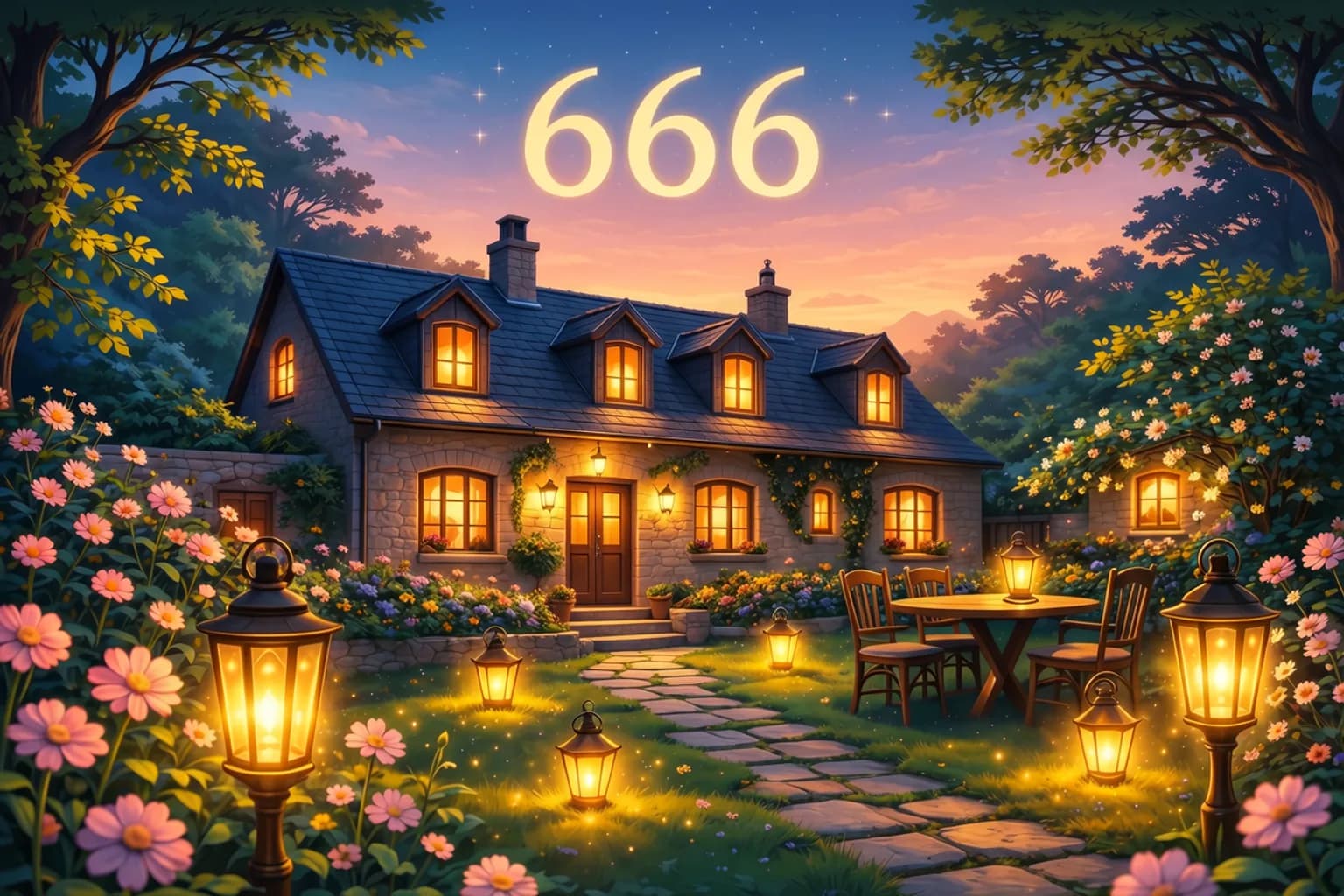
No number arrives with more baggage. People who shrug at every other repeating sequence will photograph a 666 receipt with genuine unease, and my inbox confirms it: the sixes generate more worried letters than all other numbers combined. So this piece carries a double duty: the modern meaning, and the older fear underneath it, both told honestly.
Let me say the headline early: in the angel number tradition, 666 is not a curse. It may be the most misread number in the entire system.
What 666 Has Come to Mean
The modern readers are nearly unanimous, and gentler than you expect:
- Rebalance. The sixes signal life tilted too far toward the material: work, money, possessions, worry about all three.
- Come home to yourself. Six is the number of home and care; tripled, it calls attention back to the domestic, the bodily, the relational.
- Loosen the grip of worry. The classic reading: your thoughts are over-invested in what can be counted. Re-invest in what can only be felt.
- No doom whatsoever. The tradition pointedly refuses the horror-film reading.
Where the Fear Really Comes From
The honest history, doubled this time. The dread of 666 descends from a single verse in the Book of Revelation naming it the number of the beast, most likely, scholars note, an encoded reference to the emperor Nero, whose name in Hebrew letters sums to 666. In other words: the most feared number in the West began as first-century political code, naming a tyrant too dangerous to name. Centuries of apocalyptic art and horror cinema did the rest.
Angel numbers themselves, as regular readers know, are a young tradition, codified in the early two thousands. When that system reached 666, it inherited two millennia of dread and, to its credit, declined the inheritance, reading the sixes as a gentle audit instead.
666 is not the devil on your receipt. It is, in the modern reading, the number that asks the most uncomfortable ordinary question: has the material taken the wheel?
What to Do When You See 666
My practice for the sixes is the over-investment audit, and it needs no theology. When 666 stops you, ask: where has counting colonised my days? The bank balance refreshed nightly, the metrics checked hourly, the worth measured in output, the home treated as a launchpad rather than a place. Name the single most over-invested account.
Then make one deliberate transfer the same day: an hour moved from the countable to the uncountable. Cook for someone. Walk without the phone. Sit with the person whose company refreshes nothing measurable. The sixes, in the modern reading, are simply the moment the ledger looks up and asks who it is serving.
Common Questions
Should I be afraid of 666? No. The fear is inherited from ancient political code and modern cinema. The angel tradition reads it as a rebalancing prompt.
What does 666 mean in love? Material worry crowding the bond: the relationship deferred until the money is right. The sixes vote for the dinner table tonight.
Why does it follow me during money stress? Because money stress makes us check, count, and scan constantly. The watching finds the number; the number, kindly used, questions the watching.