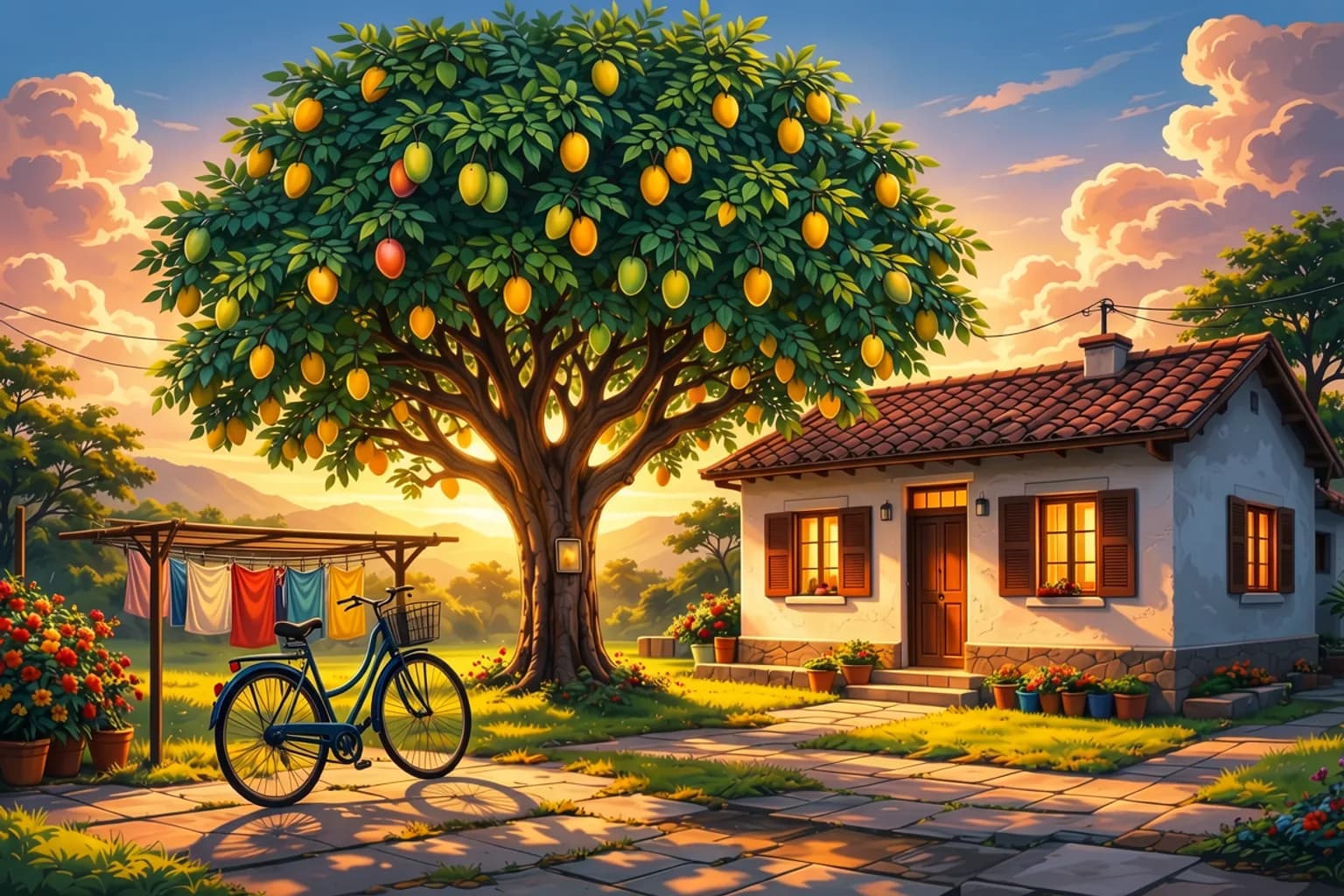
Some wealth never shows up in a bank account, cannot be measured by possessions, and is never discovered by most of the people chasing conventional riches. It belongs to those who have chosen, or learned to embrace, a simple life: people who own relatively little and yet seem to lack nothing, who are free in ways the wealthy often are not, who possess a peace that no amount of money seems able to buy. This hidden wealth of simplicity is one of the best-kept secrets of a good life.
It is not poverty, which is the involuntary and often painful absence of what one needs. It is voluntary simplicity, the deliberate choice to want less and, in wanting less, to have more than enough.
When I left finance at thirty-five, I moved from a serviced flat with a gym I never used to two rooms and a bicycle. My former colleagues assumed crisis. What actually happened: my monthly costs dropped to a fifth, and with them the salary I needed, the hours I owed, and the people I had to please. I did not downsize my life. I repurchased it at a discount.
Why Less Can Be More
The conventional assumption is that more possessions mean a richer life. But possessions come with hidden costs that we rarely count: the money to acquire them, the space to store them, the time to maintain them, the energy to protect them, and the mental weight of managing them all. Each thing you own makes a small claim on your attention and your freedom. Beyond a certain point, accumulation does not enrich life; it clutters and burdens it.
Every possession is also a small obligation. The person with little to manage has more attention left for living.
The person who lives simply is freed from much of this burden. With less to manage, protect, and maintain, they have more time, more attention, and more freedom for the things that actually matter: relationships, experiences, presence, peace. They have traded the burden of much for the lightness of enough.
The Freedoms of Simplicity
A simple life quietly confers a set of freedoms the cluttered life cannot:
- Freedom from financial pressure. Needing less means earning less is required, which loosens money's grip on your time and choices.
- Freedom of attention. Fewer possessions and commitments leave more mental space for what matters.
- Freedom from comparison. When you have opted out of the accumulation race, you stop measuring yourself against others' possessions.
- Freedom from fear of loss. The less you have staked on possessions, the less you fear losing them.
The Contentment That Comes With It
Beyond these practical freedoms, there is something deeper that simplicity tends to produce: contentment. The person who has learned to be satisfied with enough is wealthy in the only way that ultimately matters, because they have closed the gap between what they have and what they want. They are not perpetually reaching for more, and so they can actually rest in, and enjoy, what they have.
This is the hidden wealth that the simple life offers. Not deprivation, but sufficiency. Not lack, but lightness. Not the constant straining for more, but the deep satisfaction of having enough and knowing it.
Choosing Simplicity
You do not have to renounce all possessions to taste this wealth. Voluntary simplicity is a direction, not an absolute: wanting a little less, owning a little less, managing a little less, and noticing how the lightness grows as the clutter recedes.
In a culture that equates wealth with accumulation and constantly urges you toward more, the choice to live simply is countercultural and quietly radical. But those who make it discover the secret that the accumulators miss: that the richest life is often not the one with the most, but the one that has learned to need little, and to find, in that little, more than enough. They own little, and lack nothing, and in that paradox lies a wealth that no fortune can buy.
The rest is for seekers
Keep reading free. Log in and every article on Reality Awake opens for you.