The Bhagavad Gita opens on a battlefield, with a warrior named Arjuna collapsing in despair. He sees, arrayed against him, his own kinsmen and teachers, and he cannot bring himself to act. Paralysed by the weight and confusion of his situation, he sets down his weapons and refuses to fight. What follows is a conversation with few equals in human literature, and at its heart is a question every person eventually faces: when life is confusing and every choice seems flawed, how do you know what to do?
The Gita's answer centers on the idea of duty, and it is far more subtle and useful than the word suggests.
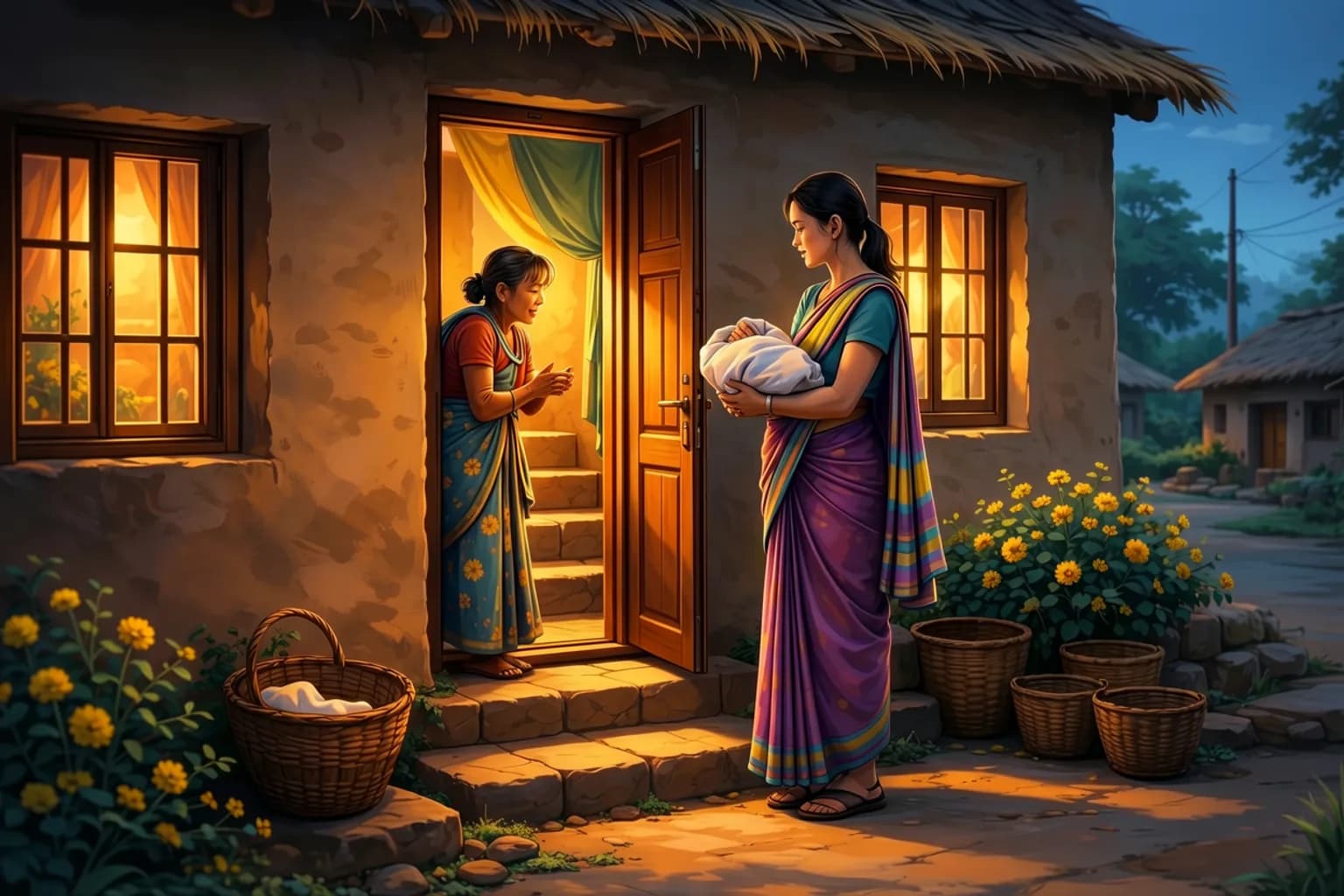
I first heard the Gita not as philosophy but as my grandfather's voice at dawn, with the smell of the river coming through the window. He had a farmer's reading of it: do your sowing, leave the harvest. When I froze over whether to leave a safe job in my forties, it was not a management book that unfroze me. It was the memory of that voice saying that Arjuna also wanted to put the bow down.
The Paralysis of Arjuna
Arjuna's crisis is recognisable to anyone who has stood frozen before a hard decision. He can see arguments on every side. He is overwhelmed by the possible consequences. He is attached to outcomes he cannot control and terrified of doing the wrong thing. So he does nothing, mistaking paralysis for wisdom.
The refusal to act is itself a choice, and often the worst one. Inaction has consequences too.
The Gita does not let him off the hook. It teaches that withdrawing from action is not a path to purity; it is an evasion. We are made to act, and the question is not whether to act but how to act rightly.
Doing Your Own Duty
The central teaching is that each person has their own duty, their own role and responsibilities arising from who and where they are, and that it is better to do your own duty imperfectly than to abandon it for someone else's. This is not a rigid caste doctrine but a deeper principle: act from your actual situation and responsibilities, not from fantasy or comparison.
This cuts against a common modern paralysis. We are forever imagining the ideal action, the perfect path, some other life in which the right choice would be obvious. The Gita says: do the duty in front of you, the one that is actually yours, even though it is imperfect, even though you cannot see all the consequences. Right action begins where you actually stand.
Acting Without Attachment
The Gita pairs duty with its other great teaching: act without attachment to the results. You do your duty fully, with complete commitment, and you release your grip on how it turns out. The result is not yours to control; only the action is. This is what frees Arjuna, and us, from the paralysis of fearing outcomes.
Together these form a complete instruction for acting in a confusing world:
- Identify the duty that is actually yours, not someone else's, not an imagined ideal.
- Do it fully and well, with all your skill and attention.
- Release attachment to the result, which was never in your hands.
- Act from this place steadily, regardless of success or failure.
Why It Still Speaks
The Gita endures because the battlefield is a metaphor for the human condition. We all stand, at times, paralysed before choices that seem impossible, every option flawed, the consequences unknowable. The temptation is always to freeze, to wait for certainty that will never come, to wish we were somewhere else with a clearer path.
The Gita's counsel, thousands of years later, remains as clear as anything our own age has produced: find the duty that is truly yours, do it as well as you can, surrender the outcome, and act. In a world that offers no certainty, this is not just ancient philosophy. It is a practical and durable answer to the question of how to live.