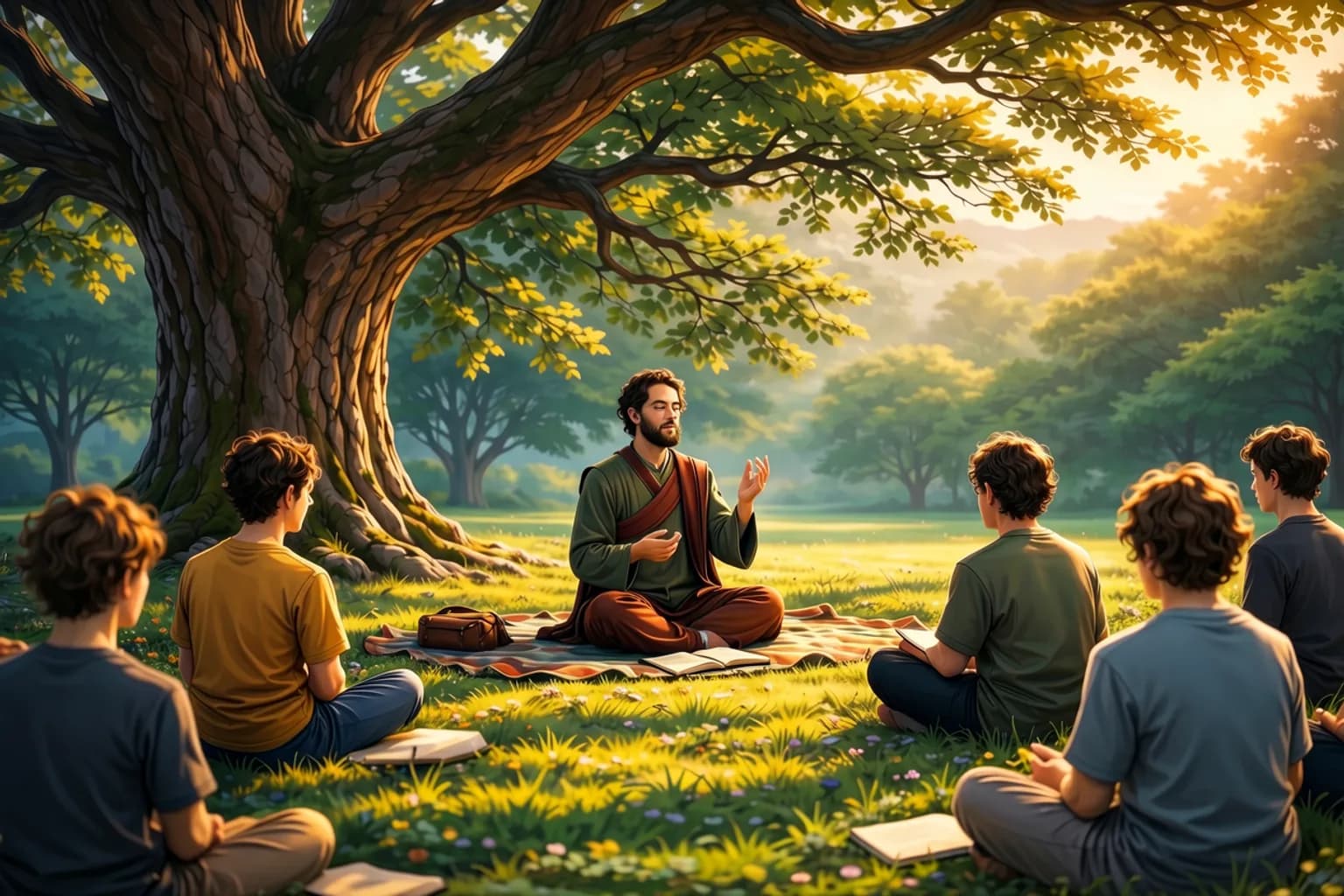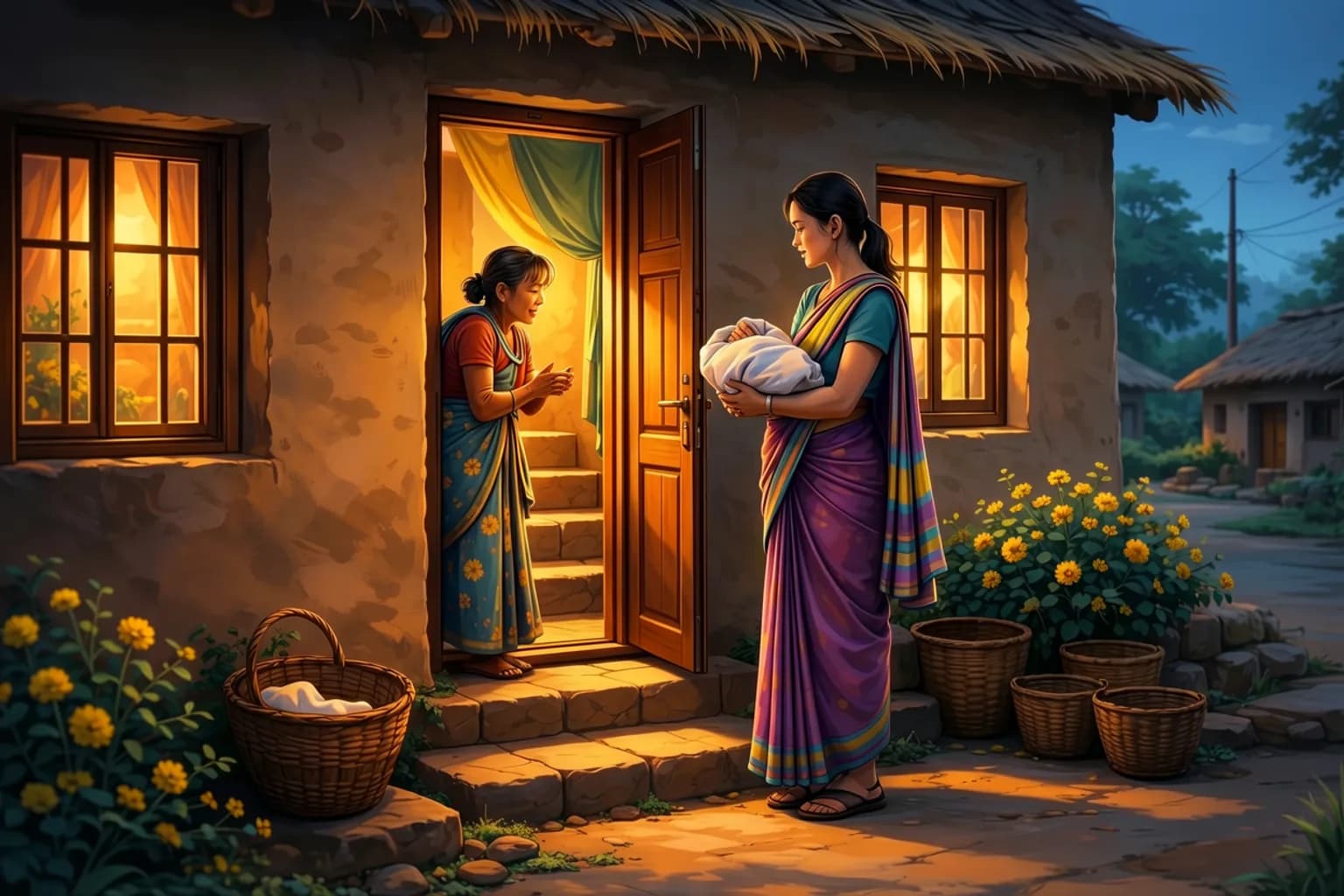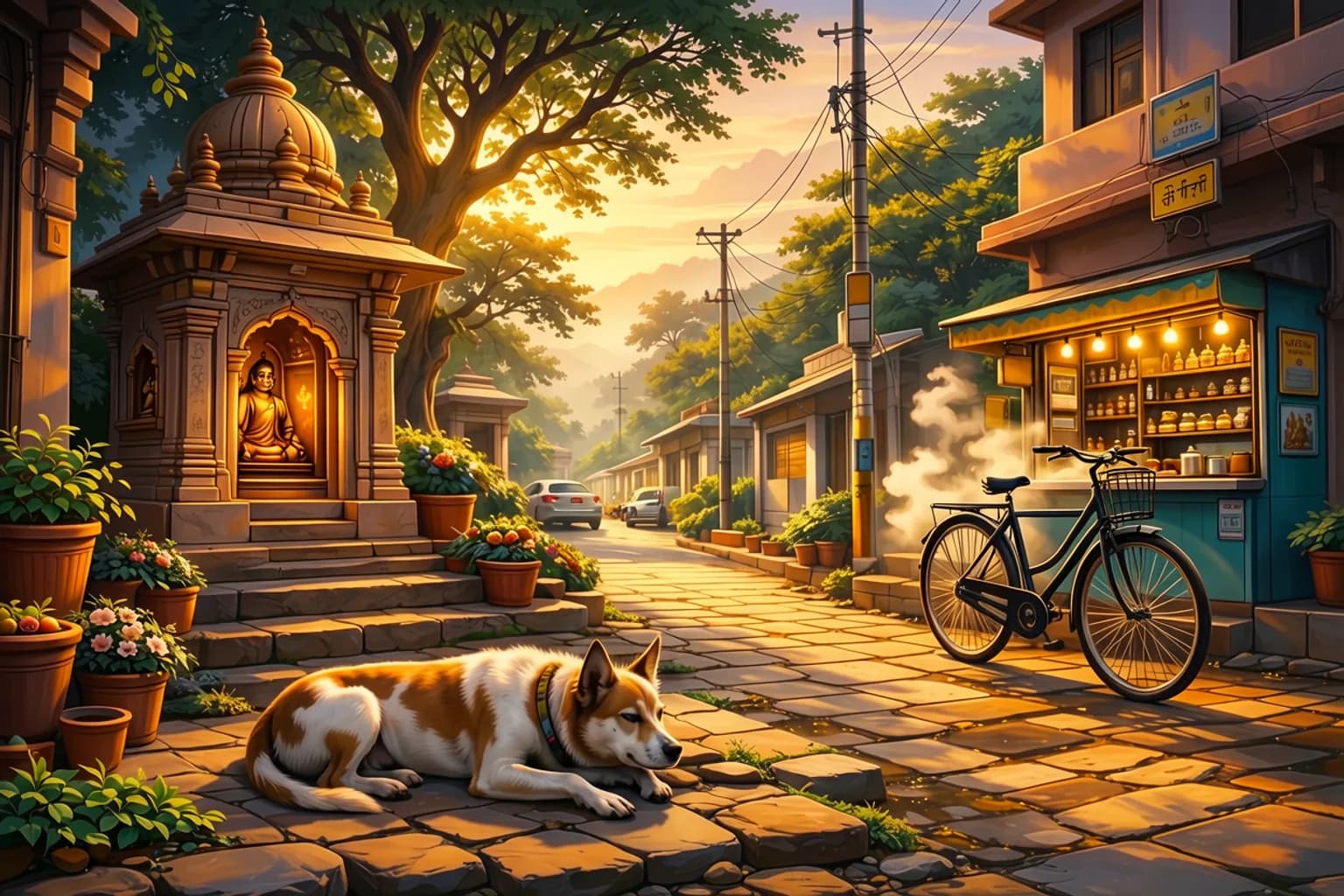
Many traditions share a quiet, radical claim: that the divine is not confined to a building, a ritual, or a holy day, but is present everywhere, at all times, in all things. If this is true, then the sacred is not somewhere you go. It is everywhere you already are. And yet most religious life is spent treating the divine as distant, accessible only through the right rituals performed in the right way, lest something go wrong.
This is the strange tragedy of superstition: practices that began as ways to point toward an ever-present sacred often end up becoming a barrier to it.
My Dadi kept every fast and every festival, but when I asked her once which ritual mattered most, she pointed at the tulsi plant she watered each morning and the beggar she fed each Thursday. The rituals, she said, were her way of remembering, not God's way of keeping score. She never used the word superstition. She just never let the calendar replace the presence.
The Difference Between Faith and Superstition
Faith, at its best, is a trust in and openness to the sacred presence in all of life. Superstition is something narrower and more anxious: the belief that specific actions mechanically control unseen forces, that breaking a ritual brings misfortune, that the divine is a power to be appeased through exact procedure rather than a presence to be met.
Faith opens you to a presence that is everywhere. Superstition shrinks that presence down to a transaction you are afraid of getting wrong.
The difference matters enormously. Faith expands the heart and opens the eyes. Superstition contracts both, replacing wonder with fear and presence with anxious bookkeeping.
How Superstition Becomes a Barrier
When the sacred is everywhere, the rituals and forms are meant to be windows, ways of turning attention toward a presence that is already here. But over time, the window can become a wall. The form becomes the point. People grow more concerned with performing the ritual correctly than with the reality it was meant to reveal. They fear the divine as a force waiting to punish a misstep, rather than meeting it as the ground of their own being.
In this state, a person can be intensely religious and yet entirely cut off from the living presence the religion was pointing at. They have the form and have lost the substance. The map has replaced the territory.
Recovering the Presence
To move from superstition back toward genuine faith is to shift from fear to openness, from mechanism to presence:
- See the sacred in the ordinary, in a meal, a conversation, a sunrise, not only in designated holy moments.
- Hold rituals as aids to attention, not as transactions that control outcomes.
- Replace the fear of getting it wrong with trust in a presence that is closer to you than your own breath.
- Let the forms point beyond themselves, rather than becoming the thing you cling to.
The Sacred in Plain Sight
If the divine is truly everywhere, then the whole of life becomes a kind of meeting place. The person who grasps this stops compartmentalising the sacred into a building or an hour and begins to sense it in the texture of ordinary existence: in the people around them, in the natural world, in the quiet of their own awareness.
The superstitious person, by contrast, keeps the divine at arm's length, mediated by anxious ritual, perpetually at risk of offending a power they never quite feel close to. The barrier was never the world. The barrier was the fear that turned a living presence into a transaction. Set down the fear, and the presence that was always everywhere becomes, at last, available to be met.