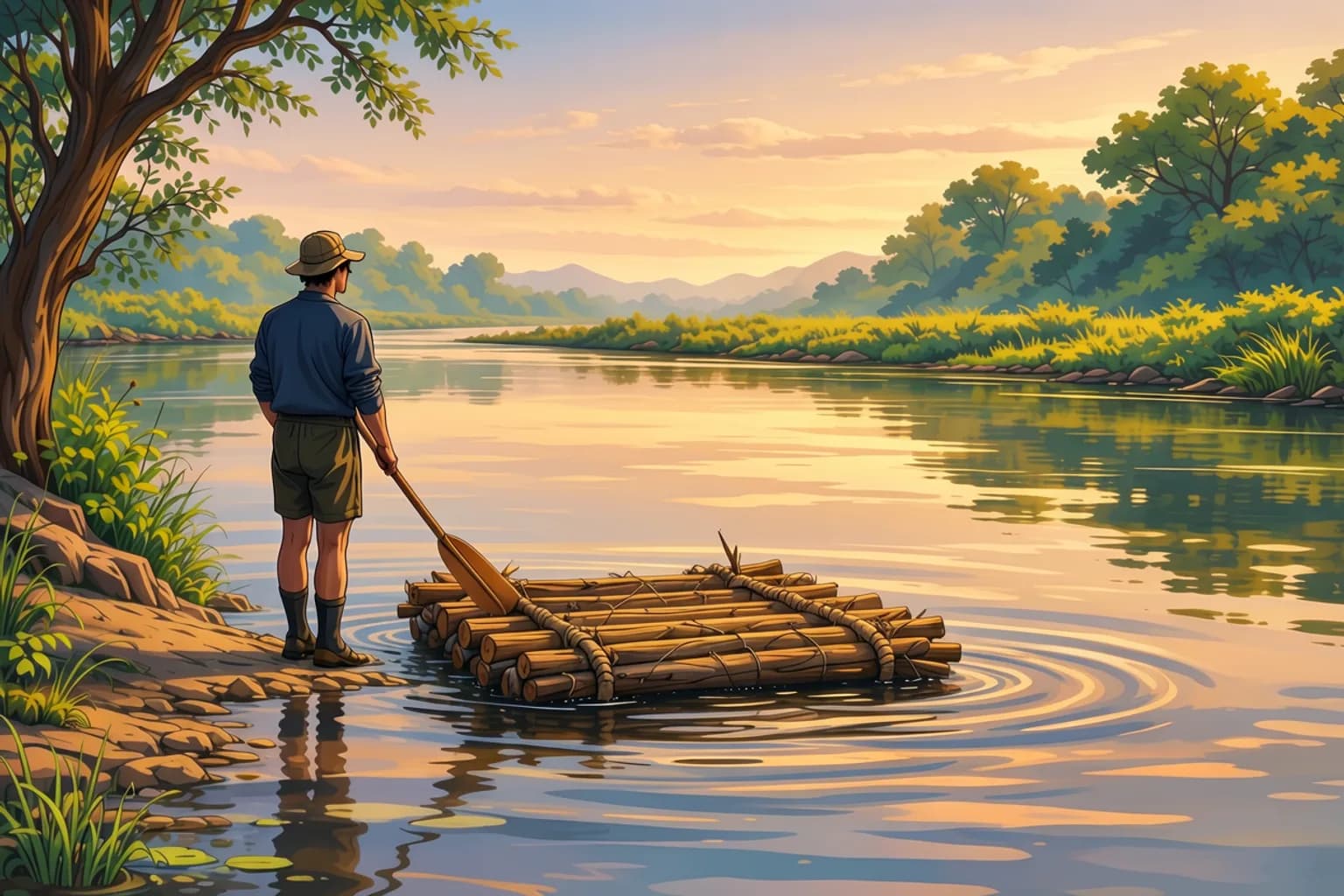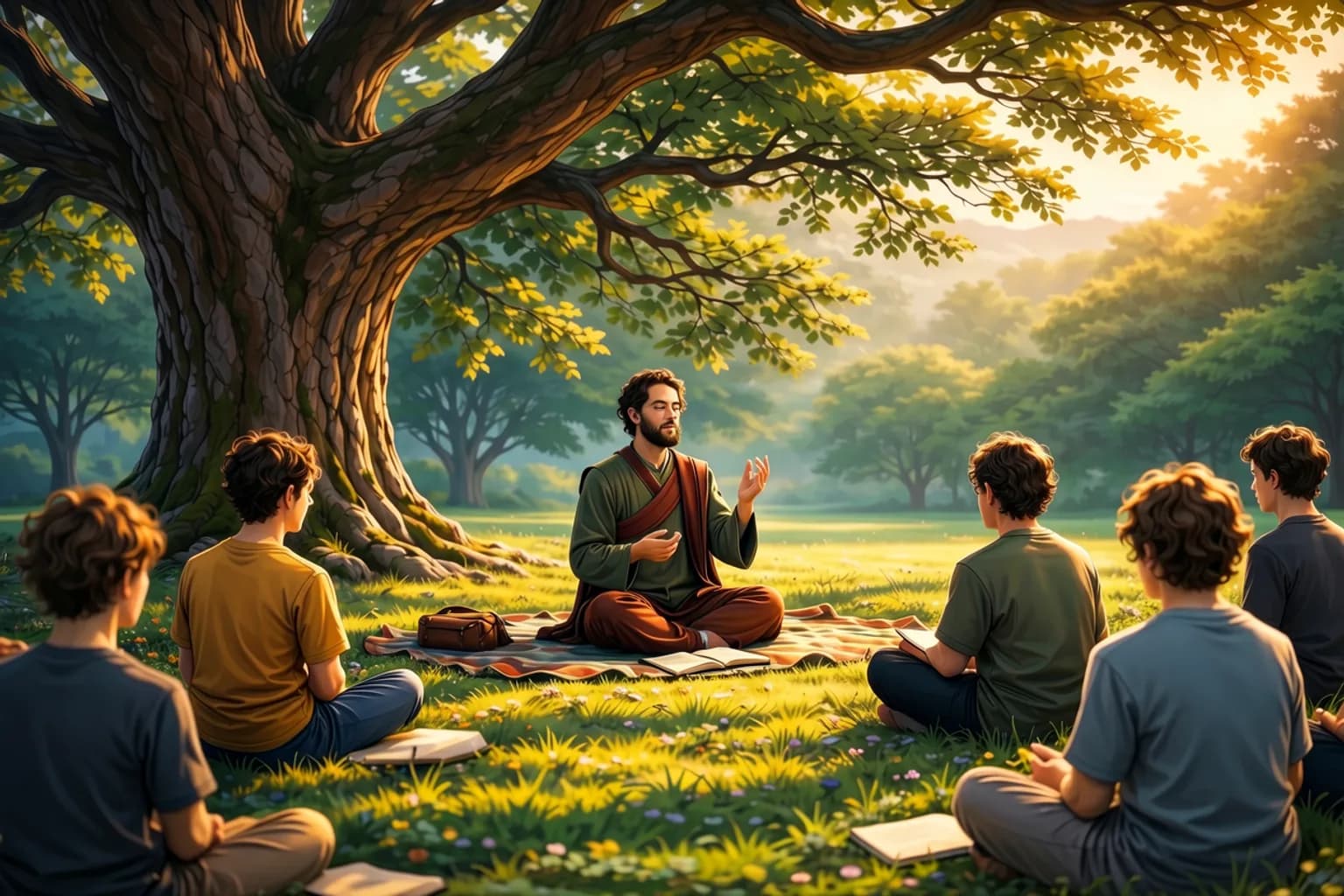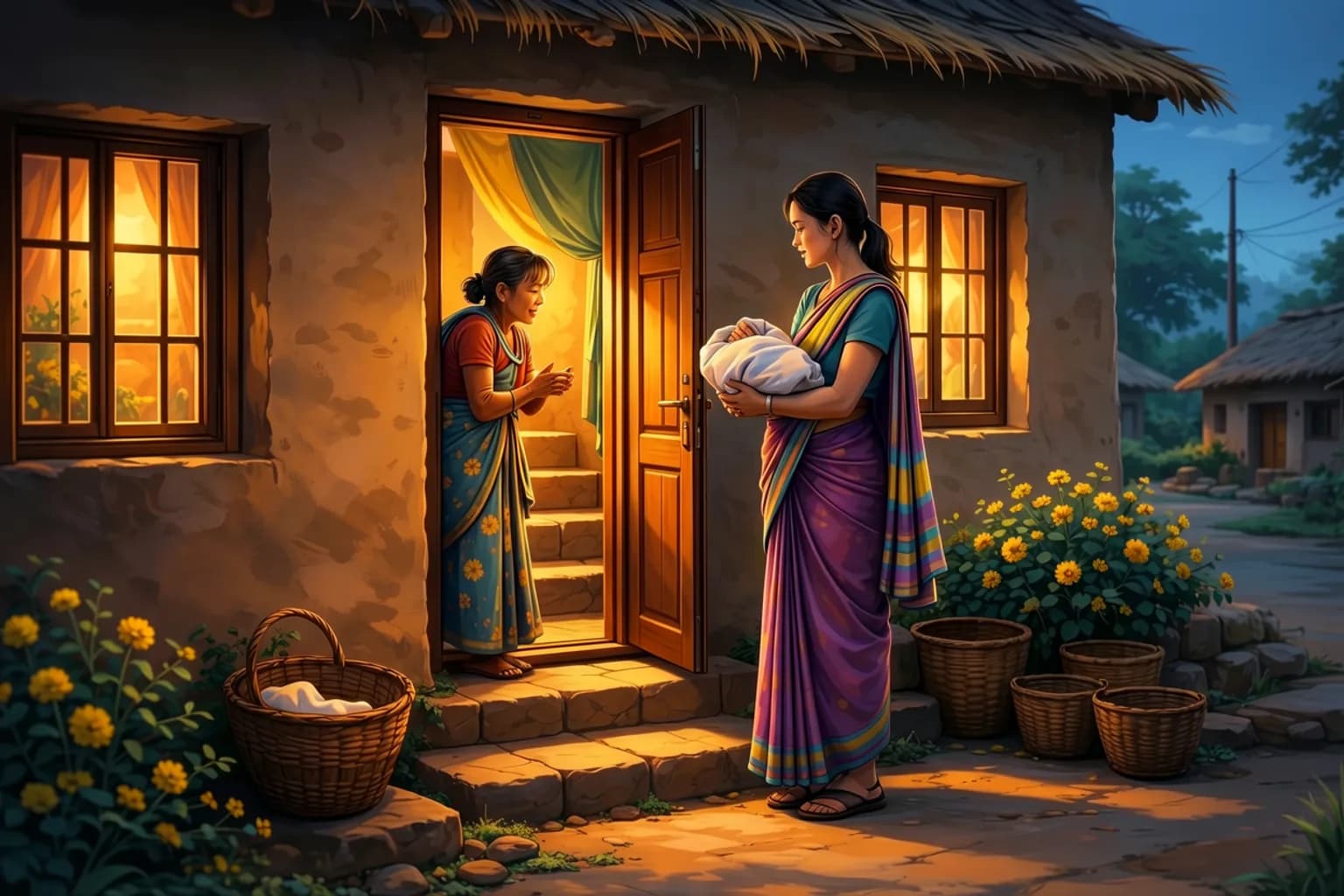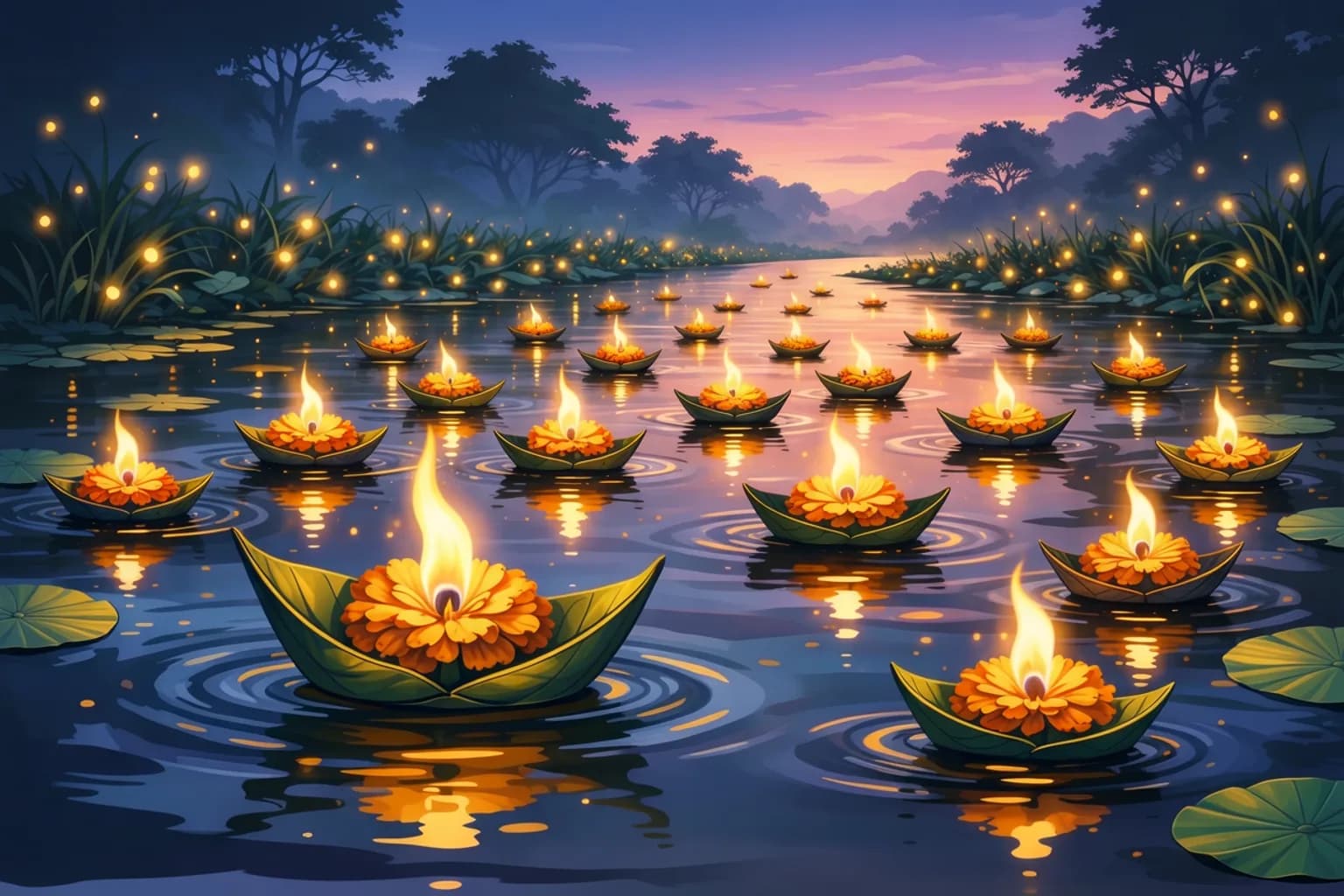
We live in a culture that hides death. We tuck it away in hospitals and homes, speak of it in euphemisms, and arrange our lives so that we can go years without truly facing it. And yet death is the one certainty every life shares. Everything that is born dies. Everything that gathers eventually scatters. This is not a flaw in the design of existence. It is the design.
To make peace with death and loss is not morbid. It is one of the most freeing things a person can do, because a life lived in denial of its own ending is a life half-asleep.
I grew up in Varanasi, where the burning ghats are part of the neighbourhood and death was never hidden from us children. I remember walking past Manikarnika with my Dadi, holding her hand, asking if she was afraid. She said the river takes everyone home, and kept walking. I have travelled a long way from that city, but I have never found a wiser sentence about death than hers.
Impermanence Is Not the Enemy
Everything you love is temporary. The people, the seasons of life, your own body, all of it is passing. The instinct is to experience this as tragedy, and grief is real and deserves its place. But there is another way to hold impermanence: as the very thing that makes life precious.
It is precisely because things do not last that they matter. A sunset you could see forever would not move you at all.
The temporariness of things is not opposed to their beauty. It is the source of it. The flower matters because it fades. The moment matters because it passes. A life that went on forever, with nothing ever ending, would lose all its weight and sweetness.
The Natural Rhythm
Look at the natural world and you see death everywhere, woven seamlessly into life. The leaf falls so the tree can rest and grow again. The old makes way for the new. Decay feeds the soil from which the next generation rises. Nowhere in nature is death treated as an aberration; it is simply one half of a single rhythm, inseparable from birth.
Human life follows the same rhythm, however much we resist it. We are born, we grow, we age, we die, and we make way for those who come after. There is a deep order in this, and a strange comfort once it is accepted rather than fought.
What Acceptance Changes
When you stop denying death and begin to accept it, several things shift:
- You stop postponing what matters, because you feel, really feel, that your time is finite.
- You hold the people you love more tenderly, knowing they are not permanent.
- You waste less energy on the trivial, which shrinks in the presence of mortality.
- You grieve your losses more cleanly, because you are not also fighting the fact that loss happens at all.
Carrying Loss
None of this makes grief unnecessary. When we lose someone, the pain is real and must be honoured, not rushed or bypassed. Acceptance of death does not mean not mourning; it means mourning without the added torment of believing the loss should not have happened.
The deepest traditions have always taught that death is not an interruption of life but a part of it, perhaps even a doorway rather than a wall. Whatever you believe about what lies beyond, making peace with the fact of death changes how you live on this side of it. You begin to treat your days as the precious, finite, irreplaceable things they are.
To accept that everything ends is not to love life less. It is to love it more honestly, and to hold each passing thing with the tenderness that only impermanence can teach.