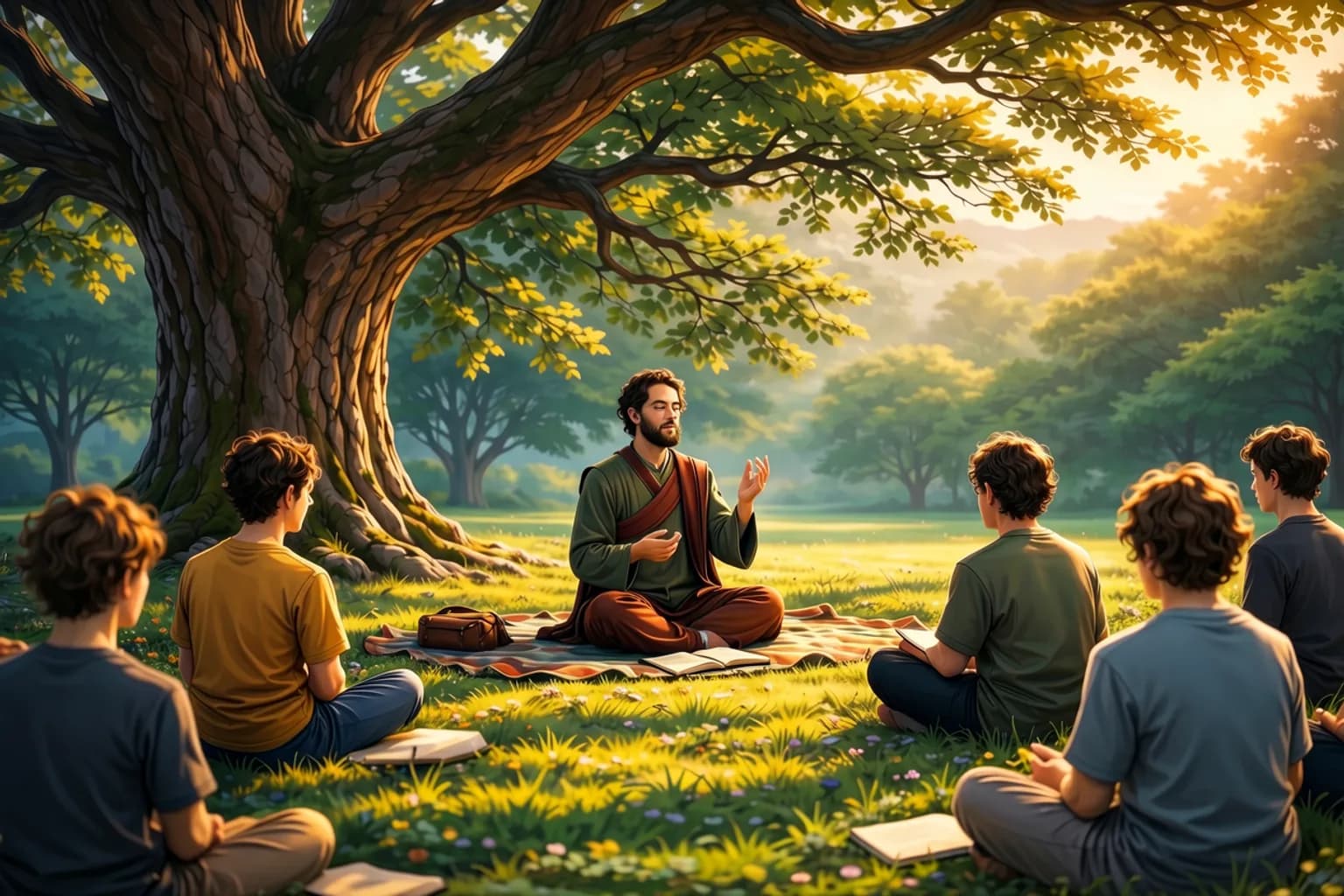
Many people give up on prayer for the same reason: they treated it like a vending machine, inserted their requests, received nothing, and concluded it does not work. If prayer is fundamentally a system for getting what you want from the divine, then it fails constantly, and the disappointment is understandable. But this was never what the deepest traditions meant by prayer. To treat it as a transaction is to miss almost everything it is for.
Prayer, rightly understood, is less about changing the world to match your wishes and more about changing you.
As a boy I prayed for exam results, cricket scores, and once, with great sincerity, for a bicycle. My Dadi overheard the bicycle prayer and laughed for a week. Then she taught me the prayer she said each night, which asked for nothing at all. It only gave thanks and handed the day back. It took me decades to understand that hers was the working kind.
The Transactional Misunderstanding
The vending-machine model goes like this: you have needs, the divine has power, prayer is the mechanism by which you request that the power be applied to your needs. Pray correctly and sincerely enough, and you get the parking space, the cure, the outcome. When the outcome does not come, the model offers only two grim conclusions: either there is no one listening, or you prayed wrong.
If prayer is a machine for getting what you want, it will disappoint you. Its real work was never out there. It was always in here.
This understanding sets people up for inevitable disillusionment, because reality does not bend to requests, and a faith built on expecting it to will eventually break.
What Prayer Actually Does
The deeper traditions understood prayer as something closer to a practice of presence, alignment, and surrender. Its effects are real, but they are mostly in the one who prays:
- It quiets the mind. The act of turning inward and addressing something greater settles the inner noise, much as meditation does.
- It cultivates gratitude. Prayer that gives thanks reorients you toward what you have, away from endless wanting.
- It surrenders the unbearable. Handing over what you cannot control, the illness, the fear, the loss, lifts a weight that white-knuckled control never could.
- It aligns you with something larger. Prayer reminds you that you are not the center of the universe, and there is peace in that.
None of these require a parking space to appear. They happen in the praying itself.
Surrender Over Demand
Perhaps the most transformative form of prayer is not the request but the surrender, the old prayer that asks not for the situation to change but for the strength to meet it, and ends with some version of "not my will, but yours." This is the opposite of the vending machine. It is the release of the demand that life conform to your wishes, and the acceptance of what is, held in trust.
Strangely, this kind of prayer is the one that reliably "works," not because it bends reality, but because it transforms the one who prays. The person who can genuinely surrender their need to control outcomes is freed from an enormous burden, and meets whatever comes with a steadiness the demander never knows.
A Practice, Not a Lever
If you have given up on prayer because it did not deliver, it may be worth returning to it with a different understanding. Not as a lever to move the world, but as a practice to settle the heart: a daily turning toward gratitude, surrender, and presence.
Approached this way, prayer never fails, because its purpose was never to extract outcomes from the universe. Its purpose was to change the one who prays, and at that, quietly and reliably, it has always worked.