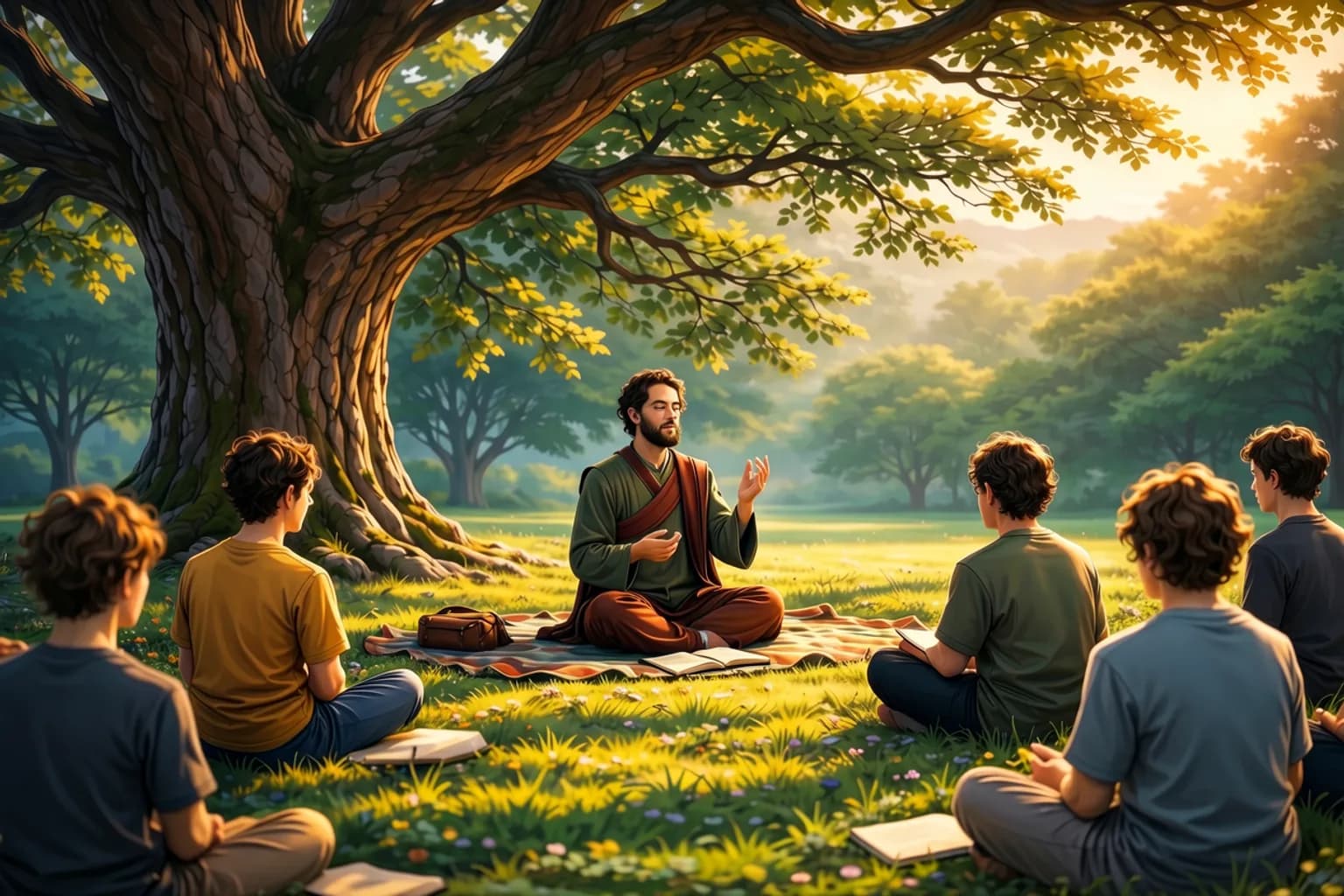
Two things that every contemplative tradition treated as essential have been almost entirely engineered out of modern life: silence and solitude. We are never quiet and never alone. There is always sound, a screen, a notification, a voice, a feed. Even our moments of apparent rest are filled with input. We have built a world in which it is genuinely difficult to be alone with our own thoughts, and we have lost something profound in the process.
Silence and solitude are not the same thing, but they work together, and both are necessary for a deep inner life.
The river taught me this before any book did. As a boy I would sit alone on the ghat steps before dawn, waiting for my grandfather to finish his bath, with no company except the sound of water. I did not call it practice then. But everything I have understood slowly in the decades since, I first felt on those cold steps, with nobody to perform for.
What Silence Gives
Silence is the absence of external noise, and it is in silence that the quieter voices within us can finally be heard. The important things, conscience, intuition, the deeper sense of what matters, do not shout. They speak softly, and in a life of constant noise they are simply drowned out.
The deepest things in you speak quietly. In a life that is never silent, they are never heard.
When you finally allow silence, after the initial discomfort, those quieter voices begin to surface. You hear what you actually feel, what you have been avoiding, what you truly want. Silence is not empty. It is full of everything the noise was covering.
What Solitude Gives
Solitude is being alone with yourself, and it is where you become acquainted with the person you actually are beneath all your roles and relationships. In the constant company of others, you are always partly performing, adjusting yourself to who is watching. Only in solitude do you meet yourself without an audience.
This is uncomfortable at first, which is exactly why we avoid it. To be alone with yourself is to face yourself, and many people have spent their whole lives ensuring they never have to. But there is no path to self-knowledge that does not pass through solitude. You cannot know who you are while you are perpetually surrounded.
Why We Flee Both
We avoid silence and solitude for the same reason: they confront us with ourselves, and we are not sure we want to meet what is there. The noise and the company are not just entertainment; they are an escape, a way of never having to sit with our own minds and hearts.
But what we are fleeing is precisely what we need. The discomfort of silence and solitude is the discomfort of facing unattended parts of ourselves, and facing them is the only way they ever resolve.
Reclaiming Them
You do not need a monastery. You can build small islands of silence and solitude into an ordinary life:
- A few minutes each morning, alone and quiet, before the day begins.
- A walk without headphones, letting the mind settle on its own.
- A regular practice of sitting in silence, even briefly, with no input at all.
- Occasional longer stretches of genuine aloneness, uncomfortable and clarifying.
The Reward
The people who make room for silence and solitude almost always report the same thing: a steadiness and self-knowledge that the perpetually noisy and surrounded never develop. Having met themselves in the quiet, they are more grounded in the noise. Having heard the deeper voices in the silence, they are guided by something steadier than the day's reactions.
In a world that fills every silence and crowds every solitary moment, deliberately reclaiming both is one of the most valuable and counter-cultural things you can do. What you find there, after the first discomfort, is not emptiness. It is yourself, and a quiet you had almost forgotten was possible.